
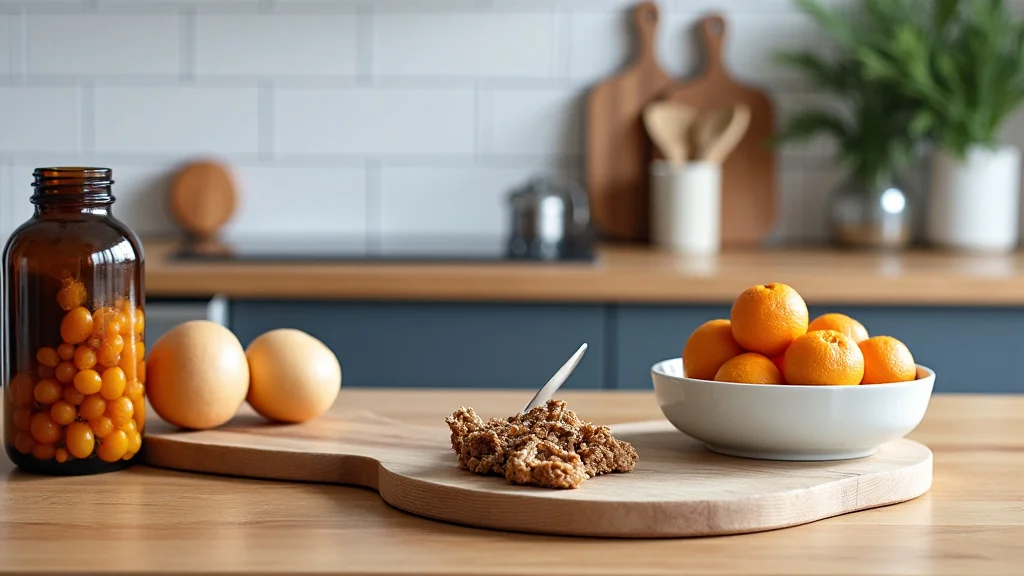
Moving into a new home is exciting. You’re setting up your space, making it feel like yours. One of the first areas to focus on is the kitchen.
What do you really need to start cooking and enjoying meals? It can be overwhelming to think about all the gadgets and tools. This guide simplifies it, focusing on must-have kitchen essentials for new home.
You’ll learn exactly what items will make your kitchen functional from day one, saving you time and money on unnecessary purchases.
Key Takeaways
- You will learn about the most important cookware for everyday meals.
- Discover essential utensils and gadgets that simplify cooking tasks.
- Understand the basics of food storage and preparation tools.
- Identify key items for baking and entertaining.
- Gain confidence in stocking your kitchen with practical, useful items.
Equipping Your Kitchen Essential Gear For New Home
Starting fresh in a new home means building your kitchen from the ground up. It’s about creating a functional space that supports your culinary adventures, whether you’re a seasoned chef or just learning to boil an egg. This section covers the core items that form the backbone of any well-equipped kitchen.
Think of these as the foundation upon which you can build your cooking confidence and create delicious meals. We’ll look at the absolute must-haves that will serve you well day in and day out.
Cookware Fundamentals
Good cookware is the heart of your kitchen. Without the right pots and pans, even the simplest recipes become a challenge. Investing in a few high-quality pieces will make a significant difference in your cooking experience and the longevity of your tools.
These items are used daily, so their quality and suitability for your cooking style are paramount. Choosing wisely means less frustration and more delicious results.
- A good nonstick skillet is invaluable for everyday cooking. This pan is perfect for frying eggs, sautéing vegetables, and searing meats without sticking. Look for a skillet that is oven-safe for versatility. The nonstick surface means less oil is needed, contributing to healthier cooking. A 10-inch or 12-inch size is generally a good starting point for most households.
- A medium-sized saucepan with a lid is essential for boiling pasta, making sauces, and heating soups. A 2-quart or 3-quart capacity is versatile. It should have a sturdy handle that stays cool and a well-fitting lid to trap heat and moisture. This is one of the most frequently used items in any kitchen.
- A Dutch oven or a large stockpot is crucial for making larger batches of soup, stew, chili, or for cooking grains like rice or pasta. A 5-quart or 6-quart Dutch oven is a popular choice. It can go from stovetop to oven, making it incredibly versatile for braising and slow cooking.
- A baking sheet is not just for baking! It’s incredibly useful for roasting vegetables, toasting bread, or even warming up leftovers. A standard half-sheet size is very practical. Ensure it’s made of sturdy metal that distributes heat evenly for consistent results.
Data shows that consumers often buy cookware sets, but many pieces go unused. Focusing on individual, versatile pieces first is often more economical and practical for new homeowners. For example, a study found that the average household uses only about 3-4 pieces of cookware regularly, regardless of how many pieces are in their set.
This highlights the importance of selecting pieces that truly fit your cooking habits.
Essential Utensils And Gadgets
Beyond pots and pans, the right utensils and gadgets can make cooking more efficient and enjoyable. These are the tools that help you prepare, serve, and manage your food. Having a well-rounded set of these items means you’re ready for almost any culinary task that comes your way.
They are the workhorses of the kitchen, often overlooked but utterly indispensable.
- Spatulas are vital for flipping, stirring, and scraping. You’ll need at least one heat-resistant silicone spatula for mixing and scraping bowls, and a metal or heat-resistant plastic spatula for flipping food in pans. A fish spatula with a thin, flexible edge is also very handy for delicate items.
- A good set of knives is paramount. You don’t need a huge block of knives to start. A chef’s knife for chopping, a paring knife for smaller tasks, and a serrated knife for bread and tomatoes are a solid foundation. Investing in sharpness and good balance will make a world of difference.
- Measuring cups and spoons are non-negotiable for accurate cooking and baking. Dry measuring cups are for flour and sugar, while liquid measuring cups have a spout for easy pouring. A set of measuring spoons covers everything from a pinch of spice to a tablespoon.
- A whisk is essential for beating eggs, mixing batters, and creating smooth sauces and dressings. A balloon whisk is versatile for incorporating air, while a flat whisk is good for deglazing pans.
- Tongs are incredibly useful for turning meat, tossing salads, and serving food. Look for sturdy, locking tongs that are comfortable to hold. Metal tongs are durable and can be used for high-heat cooking.
Food Preparation And Storage
Before you can cook, you need to prepare your ingredients. And once cooked, you need to store leftovers. These items are crucial for food safety, freshness, and making the cooking process smoother.
They are the unsung heroes that keep your kitchen running efficiently.
- Cutting boards are essential for protecting your countertops and knife blades. It’s good practice to have at least two: one for raw meats and another for produce to prevent cross-contamination. Wood or bamboo boards are durable, while plastic ones are dishwasher-safe.
- Mixing bowls are needed for combining ingredients, marinating, and storing food. A set of nesting bowls in various sizes is space-saving and practical. Stainless steel bowls are durable and won’t react with acidic foods.
- Food storage containers are a must for leftovers and meal prep. Opt for airtight, leak-proof containers made from glass or BPA-free plastic. Having a variety of sizes will accommodate different portions.
- A vegetable peeler is a simple but highly effective tool for peeling potatoes, carrots, and other root vegetables. An ergonomic design makes peeling easier and safer.
- A colander or sieve is necessary for draining pasta, washing vegetables, and sifting flour. A medium-sized colander with a sturdy base is versatile.
Proper food storage is not only about convenience but also about reducing food waste. According to the USDA, proper storage can extend the shelf life of many foods, saving households money. For instance, storing leafy greens in airtight containers with a paper towel can keep them fresh for up to a week longer.
Baking And Entertaining Basics
While not every new homeowner bakes regularly, having a few basics can be a lifesaver for impromptu baking or when guests arrive. These items allow for more creative cooking and a welcoming touch when hosting. They expand the capabilities of your kitchen beyond everyday meals.
- An oven mitt or two is essential for safely handling hot dishes from the oven. Look for ones with good insulation and a non-slip grip. Heat-resistant silicone mitts offer excellent protection.
- A set of cookie cutters or a few basic baking molds can be fun for making treats or simple desserts. Even a basic cake pan can open up possibilities for birthday cakes or simple cobblers.
- Serving platters and bowls are useful for presenting food when entertaining. You don’t need a huge collection; a couple of versatile platters and a nice salad bowl can go a long way.
- A bottle opener and a corkscrew are necessary for enjoying beverages when hosting friends or family. These are small items that are often overlooked until needed.
Kitchen Essentials For New Home Considerations
As you stock your new kitchen, it’s wise to consider a few overarching principles. These aren’t just about what to buy, but how to buy it and what to prioritize. Thinking about these factors will ensure you build a kitchen that truly serves your needs and lasts for years to come, making your new home more comfortable and functional.
Quality Over Quantity
It’s tempting to buy inexpensive items in bulk, but for key pieces, quality often pays off in the long run. A well-made knife will stay sharp longer. A durable pot will conduct heat evenly and last for decades.
Investing a little more in essential items means they perform better and don’t need replacing as often. This reduces waste and saves money over time.
- When choosing cookware, look for materials like stainless steel, cast iron, or heavy-gauge aluminum. These materials offer superior heat distribution and durability. Avoid thin, flimsy pans that warp easily.
- For knives, prioritize sharpness, balance, and the material of the blade. High-carbon stainless steel is a common and good choice for home cooks. Consider the weight and how it feels in your hand.
- For utensils, look for sturdy construction. Metal handles are generally more durable than plastic ones. Silicone heads on spatulas should be bonded well to their handles.
Versatility Is Key
In a new kitchen, especially if space is limited, choose items that can perform multiple functions. A Dutch oven, for instance, can braise, stew, bake bread, and even fry. A sharp chef’s knife can handle most chopping tasks.
Opting for versatile items means you can achieve more with fewer tools. This maximizes the utility of your kitchen space.
- Consider items that can transition from stovetop to oven, or from prep to serving. This reduces the number of dishes used and simplifies cleanup.
- Look for tools that are easy to clean and maintain. Non-stick surfaces, dishwasher-safe components, and simple designs contribute to ease of use.
- Think about the types of meals you realistically cook most often. If you bake frequently, prioritize baking sheets and pans. If you make a lot of soups, a good stockpot is essential.
Budgeting For Essentials
You don’t need to buy everything at once. Prioritize the absolute must-haves and build your collection over time. Start with the items you’ll use daily and add specialty items as your cooking needs evolve.
Many stores offer starter kits or bundles that can be cost-effective. Secondhand stores can also be a great source for good quality items at a lower price.
- Create a prioritized list of your essential kitchen items. Focus on the top 10-15 items that will allow you to cook most common meals.
- Allocate a specific budget for these initial purchases. It’s better to buy a few good quality items than many cheap ones that will need replacing.
- Research different brands and read reviews to find the best value for your money. Don’t be afraid to ask friends or family for recommendations based on their own experiences.
Common Myths Debunked
Myth 1: You Need A Huge Set Of Knives
The reality is that most home cooks only need a few key knives to handle 90% of tasks. A chef’s knife for general chopping, a paring knife for small tasks, and a serrated knife for bread are typically sufficient. Buying a large block of knives often means you have many specialized knives you’ll rarely use, taking up counter space and costing more than necessary.
Myth 2: You Must Have Every Gadget On The Market
Infomercials and kitchen stores are full of novel gadgets that promise to make cooking easier. However, many of these are single-purpose items that quickly become clutter. Focus on versatile tools that have multiple uses.
For example, a good quality spatula can perform many tasks that might otherwise require several specialized gadgets.
Myth 3: All Nonstick Cookware Is The Same
There are varying qualities of nonstick coatings. While some may wear out quickly, higher-quality nonstick pans can last for years with proper care. It’s important to look for durable construction and a reputable brand.
Also, using the right utensils and avoiding abrasive cleaners will significantly extend the life of any nonstick surface.
Myth 4: Cast Iron Is Too Difficult To Maintain
While cast iron requires a bit of seasoning and care, it’s not as difficult as many believe. Proper cleaning involves avoiding harsh soaps and drying it thoroughly to prevent rust. Once seasoned, cast iron develops a natural nonstick surface and retains heat exceptionally well, making it ideal for searing and frying.
Many home cooks find its performance well worth the simple maintenance.
Frequently Asked Questions
Question: What are the absolute must-have kitchen essentials for a new home owner?
Answer: The absolute must-haves include a chef’s knife, cutting board, nonstick skillet, saucepan, measuring cups and spoons, spatulas, and a colander.
Question: How many pots and pans do I really need to start with?
Answer: For a new home, start with a nonstick skillet, a medium saucepan, and a larger pot like a Dutch oven or stockpot. This covers most daily cooking needs.
Question: Should I buy a complete knife set or individual knives?
Answer: It is usually more practical to buy individual knives. A chef’s knife, paring knife, and serrated knife are a great starting point and are more cost-effective than a large set.
Question: What is the best material for cutting boards for a new kitchen?
Answer: Wood or bamboo cutting boards are durable and kind to knives. Plastic cutting boards are also a good option because they can often be washed in the dishwasher, aiding in sanitation.
Question: How can I save money on stocking my new kitchen?
Answer: Prioritize essential items, look for versatile pieces, and consider buying good quality secondhand items. You can also build your collection gradually over time.
Summary
Stocking your new kitchen doesn’t have to be overwhelming. Focus on a few high-quality, versatile essentials. These core items, from reliable cookware to practical utensils, will equip you to cook almost anything.
You’ll save money and create a functional space that feels like home.